Introduction
In the world of men’s style, true elegance is rarely loud. It lives in details—subtle choices that quietly communicate taste, confidence, and intention. Among these details, the pocket square stands as one of the most powerful yet misunderstood accessories in menswear. Small in size but rich in impact, a pocket square has the ability to transform a suit from ordinary to distinguished.
While many men see pocket squares as optional or purely decorative, seasoned dressers understand that they are a reflection of personality. A well-chosen pocket square does not shout for attention; it complements, balances, and completes an outfit. This article explores why the pocket square remains a timeless symbol of gentlemanly style and how mastering it elevates your presence instantly.
A Brief History of the Pocket Square
The origins of the pocket square date back centuries. What began as a functional handkerchief evolved into a symbol of refinement during the 19th century. European aristocrats adopted fine fabrics such as silk and linen, transforming a practical item into a fashionable accessory.
By the early 20th century, pocket squares became a staple in men’s formalwear. Icons such as Cary Grant, Fred Astaire, and later James Bond used pocket squares to project effortless elegance. Despite shifting fashion trends, the pocket square never disappeared—it simply adapted.
Today, it bridges classic tailoring and modern styling, making it just as relevant in contemporary wardrobes as it was decades ago.
Why the Pocket Square Matters
A suit alone does not define style. Many men wear suits; few wear them well. The pocket square introduces contrast, texture, and individuality. It signals that the wearer understands proportion and detail.
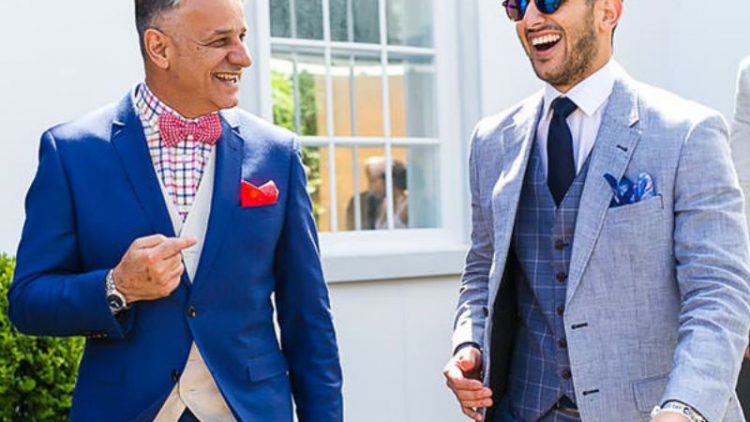
Unlike a tie, which is often dictated by formality or dress codes, a pocket square allows creative freedom. It can soften a rigid business suit or sharpen a relaxed blazer. Whether folded crisply or styled casually, it communicates intention.
Most importantly, a pocket square demonstrates awareness. It tells others that you pay attention to how you present yourself—without trying too hard.
Choosing the Right Fabric
Fabric choice is the foundation of a good pocket square.
Silk is synonymous with luxury. Its smooth texture and subtle sheen make it ideal for formal events, weddings, and evening wear. Silk pocket squares drape beautifully and add sophistication without overwhelming the outfit.
Cotton offers structure and versatility. It holds sharp folds well, making it perfect for business attire. Cotton pocket squares are understated, professional, and timeless.
Linen brings texture and character. Slight wrinkles are part of its charm, making linen ideal for summer suits, smart-casual looks, and relaxed elegance.
Choosing the right fabric depends on the occasion, season, and desired impression.
The Power of Color and Pattern
Color selection plays a crucial role in pocket square styling. A common mistake is matching the pocket square exactly to the tie. Instead, the pocket square should complement, not duplicate.
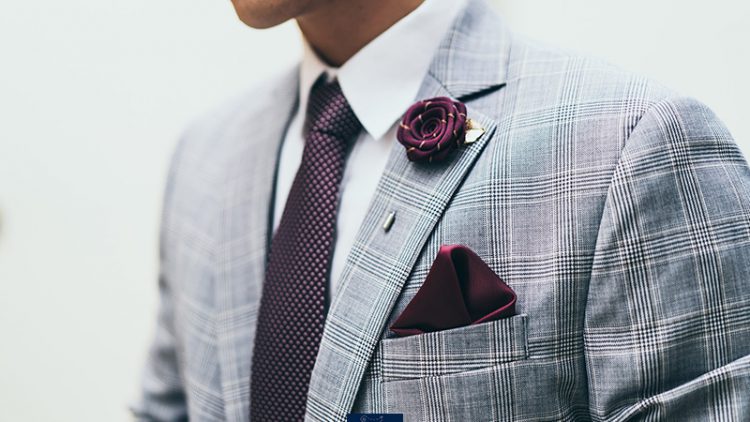
Neutral suits—navy, grey, black—benefit from pocket squares that introduce contrast. Whites and muted tones convey classic refinement, while bolder colors express personality.
Patterns such as paisley, polka dots, and geometric designs add visual interest without overpowering the outfit. The key is balance: one statement piece is enough.
Folding Styles and Their Meanings
How a pocket square is folded changes its character.
The Presidential Fold is clean and formal, ideal for business meetings and black-tie events. It reflects discipline and authority.
The Puff Fold feels relaxed and confident, suitable for social occasions and creative environments.
The Two-Point or Three-Point Fold adds flair without excess, striking a balance between classic and expressive.
There is no single “correct” fold—only the one that fits your style and the occasion.
Conclusion
The pocket square is more than an accessory; it is a statement of identity. It reflects taste, confidence, and attention to detail. While trends come and go, the pocket square endures because it represents something timeless: the art of dressing well.
Mastering the pocket square does not require extravagance—only intention. And in menswear, intention is everything.